

Business Operation · 2025
In this section21 topics
- Corporate Information4 items
- Dividend Policy2 items
- Major Shareholders2 items
- Business Strategies Overview6 items
- Material Changes & Developments1 item
- Use of Proceeds from Securities Offerings1 item
- Commitments Made in the Registration Statement1 item
- Group Operating-Structure Policy1 item
- Shareholders with Potential Conflict of Interest1 item
- Relationships Among Major Shareholders1 item
- Shareholders' Agreement1 item
- Shareholding Diagram (Group Structure)1 item
- Income Structure3 items
- Product / Service Characteristics2 items
- Research & Development6 items
- Assets Used in the Business4 items
- Marketing Policy & Competition3 items
- Procurement of Products & Services2 items
- Projects Under Construction1 item
- Debentures & Bills of Exchange1 item
- Convertible Securities1 item
Corporate Information
Company Name
BANGKOK CHAIN HOSPITAL PUBLIC COMPANY LIMITED
Telephone
0-2836-9999
Website
www.bangkokchainhospital.com
ir@bangkokchainhospital.com
Dividend Policy
Dividend Policy
The Company adheres to a dividend policy that ensures a minimum payout of 40 percent of the net profit from the separate financial statements after tax and legal reserve deductions, unless other pressing circumstances exist. Dividend distributions are ensured to not significantly affect the Company’s regular operations. Factors considered in dividend distributions include the Company's performance, liquidity, business expansion plans, and other relevant management factors. Approval from shareholders and/or the Company's Board of Directors is required as appropriate for such dividend distributions.
1
Historical Dividend Payments
| This Year | Last Year | 2 Years Ago | 3 Years Ago | 4 Years Ago | Metric | Description |
|---|---|---|---|---|---|---|
| 0.53 | 0.51 | 0.56 | 1.22 | 2.75 | Net profit per share (Baht : Share) | Net profit per share (baht : share) |
| 0.45 | 0.4 | 0.35 | 0.8 | 1.2 | Dividend per share (Baht : Share) | Dividend per share (baht : share) |
| 0 | 0 | 0 | 0 | 0 | Dividend stock ratio (Number of original shares: dividend shares) | Ratio of stock dividend payment (existing share : stock dividend) |
| 0 | 0 | 0 | 0 | 0 | Dividend share value per share (Baht : Share) | Value of stock dividend per share (baht : share) |
| 0.45 | 0.4 | 0.35 | 0.8 | 1.2 | Total dividend payment value (Baht : Share) | Total dividend payment (baht : share) |
| 85.25 | 77.79 | 62.06 | 65.65 | 43.71 | Dividend payout ratio to net profit (%) | Dividend payout ratio compared to net profit (%) |
Business Strategies Overview
Chairman's Message
Industry Overview and Business Direction
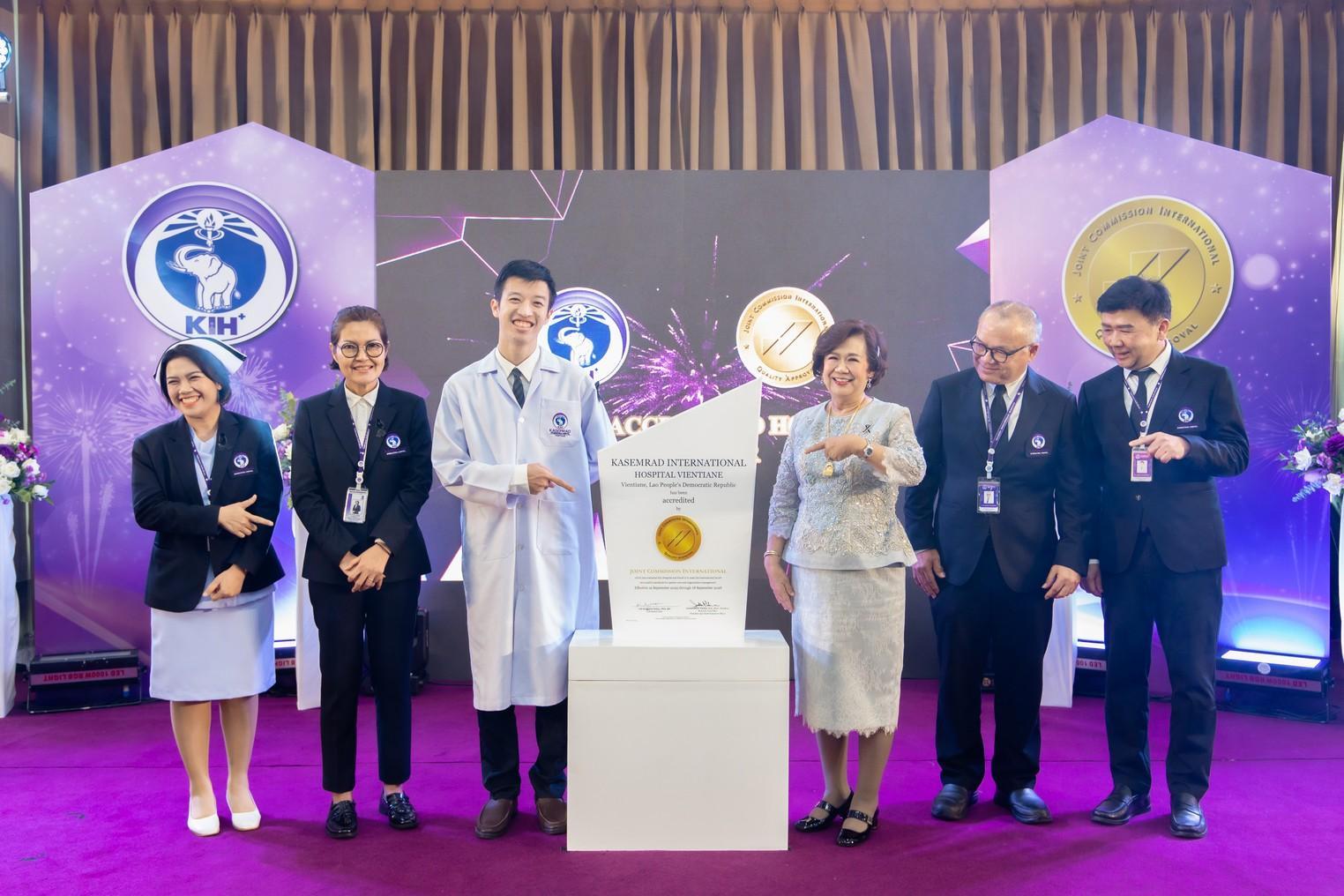
In 2025, although Thailand’s economy continued to face volatility amid widespread uncertainties, the healthcare services industry remained a fundamental pillar of society. Growth was supported by Thailand’s transition into a fully aged society, driving a continuous increase in demand for medical services. At the same time, patients placed greater emphasis on preventive healthcare and value-based service selection. Under this context, the Company remained committed to continuously refining its business strategy to enhance service quality and respond to evolving healthcare needs. Key initiatives include the expansion of specialized medical centers and the upgrading of service standards, such as the renovation and rebranding of hospitals, including the renaming to “Kasemrad Hospital Pathumthani”, as well as ongoing improvements in medical service quality. Notably, Kasemrad International Hospital Vientiane was accredited by Joint Commission International (JCI) during the year, reflecting the Company’s commitment to elevating healthcare standards to international levels and strengthening confidence among both domestic and international patients.
Hospital Network Development and Advancement of Specialized Medical Centers
As part of its network expansion strategy, the Company continued to enhance its medical service capabilities to comprehensively meet the healthcare needs of the population. Kasemrad Ari Radiation Oncology Clinic provides cancer treatment using advanced medical technologies and accommodates patients across all major healthcare schemes, including self-paying patients, Universal Coverage Scheme (UC), Social Security Scheme (SSO), and Civil Servant Scheme, thereby improving equitable access to quality cancer care. In addition, Kasemrad Hospital Prachachuen, in collaboration with the National Health Security Office (NHSO), the Pediatric Cardiac Surgery Foundation, and Child's Dream Foundation, provided surgical treatment for pediatric patients with congenital heart disease, enhancing access to quality care and improving patients’ quality of life.
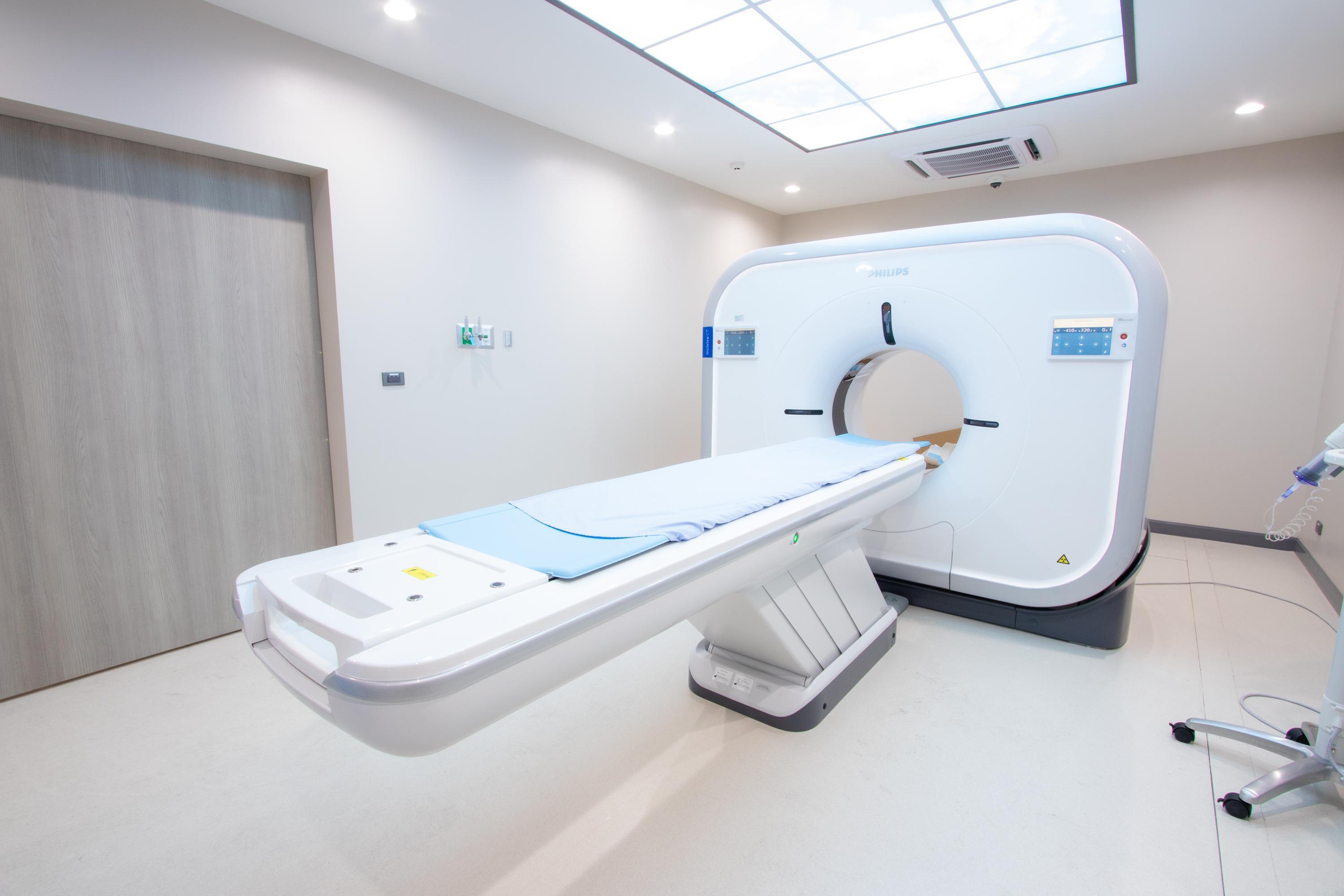
Meanwhile, the Company continued to invest in advanced medical technologies and equipment to improve diagnostic accuracy and treatment efficiency, while elevating service standards across its hospital network. Key developments included the installation of a 3-Tesla MRI system at Kasemrad International Hospital Rattanatibeth, the first of its kind in Nonthaburi Province; the installation of high-resolution CT Scan systems at Kasemrad Hospital Pathumthani and Kasemrad Hospital Bangkae and the deployment of Extracorporeal Membrane Oxygenation (ECMO) systems at Kasemrad Hospital Bangkae to enhance critical cardiac care capabilities.
Stable Operational Performance
Despite the slowdown in revenue from international patients in 2025, the Company was able to sustain overall revenue growth. Total revenue reached 12,025.4 million baht, representing an increase of 1.6% yoy. This growth was primarily supported by a 6.7% increase in revenue from Social Security Scheme patients, driven by a 0.6% increase in the average number of registered insured persons, as well as service improvements and facility upgrade at key hospitals, including Kasemrad Hospital Bangkae, Kasemrad Hospital Prachachuen, and Kasemrad Hospital Pathumthani, which enhanced convenience and reduced waiting times. Additional support came from reimbursement for high-complexity cases (RW>2) at a rate of 12,000 baht per RW throughout the year. Further growth was driven by services such as sleep apnea diagnostics, mobile dental services, referral patients from non-affiliated hospitals, and services provided by Kasemrad Ari Radiation Oncology Clinic. As a result, the Company reported EBITDA of 2,881.4 million baht, an increase of 6.4% yoy, with an EBITDA margin of 24.0%. Net profit attributable to the Company totaled 1,316.4 million baht, increasing by 2.7%, with a net profit margin of 10.9%, remaining consistent with the previous year.
1
Sustainable Business Operations
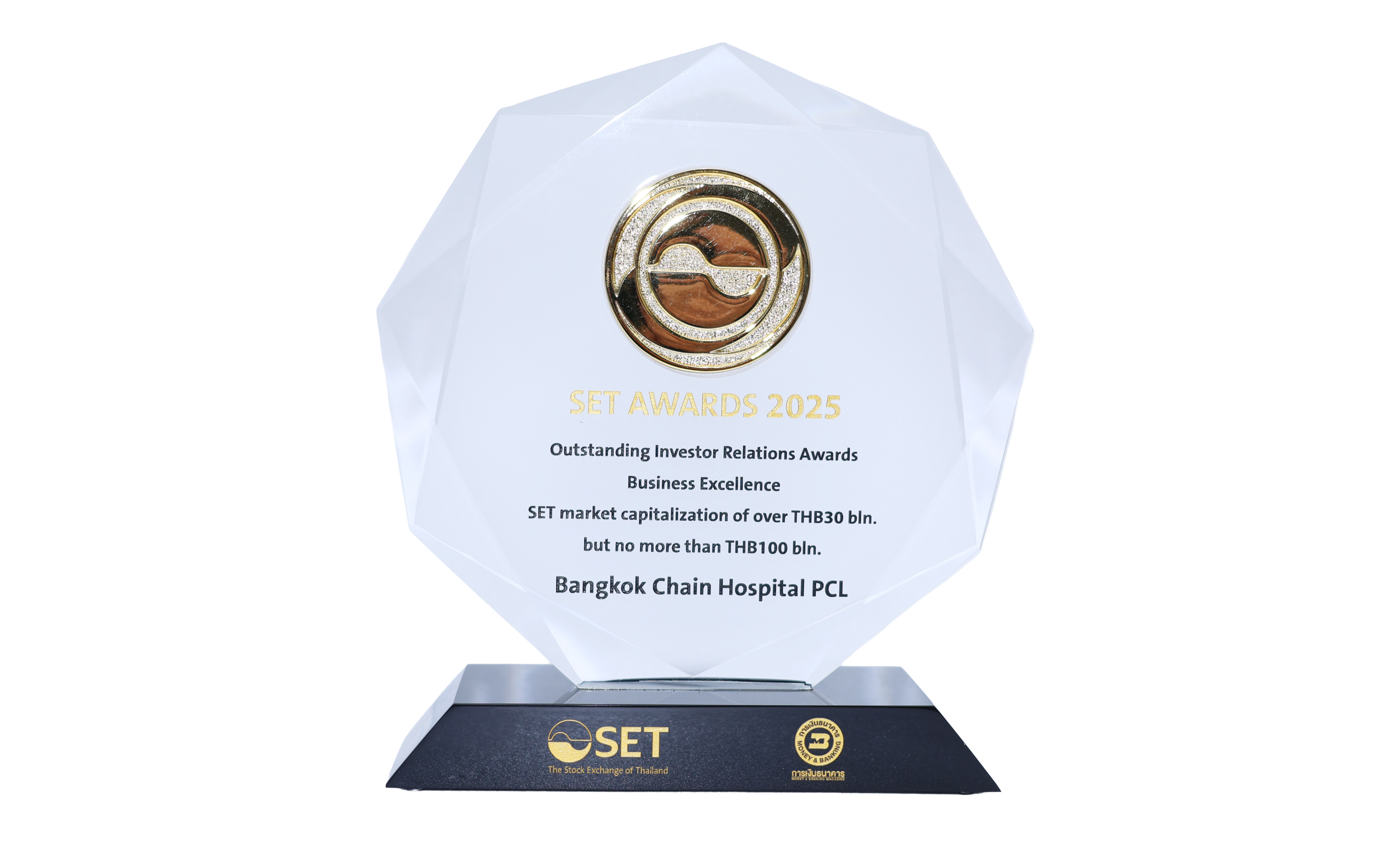
In addition to conducting business, the Company places strong emphasis on good corporate governance and ESG principles, alongside active contributions to social development. Key initiatives included mobile medical units, public health education programs, support for community healthcare activities, and the development of employee capabilities and quality of life. These efforts form part of the Company’s commitment to creating sustainable value for society and all stakeholders. The Company has been recognized by leading institutions for its sustainability and governance performance. Notable achievements include an upgraded corporate credit rating of “A+” with a “Stable” outlook from TRIS Rating, an “AA” rating in the SET ESG Ratings by the Stock Exchange of Thailand, and an ESG score of 4.0 out of 5.0 from FTSE Russell. The Company also received an “Excellent” corporate governance rating from the Thai Institute of Directors (IOD), and achieved a full score of 100 points for the eighth consecutive year under the Annual General Meeting (AGM Checklist) Evaluation Project.
On behalf of Bangkok Chain Hospital Public Company Limited, the Board of Directors would like to express sincere appreciation to our shareholders, patients, financial institutions, government and private sector partners, business partners, and all employees for their continued trust and support. The Company remains committed to continuously developing its organization, enhancing medical standards, and expanding service capabilities to strengthen confidence among patients, shareholders, and society, while advancing toward sustainable long-term growth.
1
Vision
To be one of the leaders in healthcare industry, both domestically and in the Southeast Asian region.
1
Objectives
The Company operated its business as a group of hospitals which consists of fifteen hospitals, two polyclinics, and one Kasemrad ARI Radiation Oncology Clinic in Bangkok ,upcountry and Laos to provide medical services in the level of primary-tertiary care under four hospital groups; 1.World Medical Hospital Group 2.Kasemrad International Hospital Group 3.Kasemrad Hospital Group 4.Karunvej Hospital Group, to provide medical service for general patients both Thai and International patient and Social Security Patients.
1
Goals
The company operates its business with ethics, transparency, reliability and fair treatment of all stakeholders as well as adhere to a good audit system by taking into account the surrounding society in order to create a concrete standard in business operations.
1
Business Strategies
The company and its affiliated hospitals are committed to continuously improving the quality and standards of service to cover all areas. This aims to enhance the quality of life of people in nearby areas, as well as elevate the technological service standards in the affiliated hospitals. with the following strategies:
Operating as a Hospital Group and Building Partnerships for Enhanced Service Efficiency, the Company operates in the form of a hospital group with a total of 15 hospitals 2 polyclinics and 1 Kasemrad ARI Radiation Oncology Clinic, catering to a diverse customer base. Furthermore, the Company has established specialized medical centers providing diagnostic services not only to its network hospitals but also to patients from over 40 partner hospitals nationwide.
Revenue from Diverse Customer Base and Consistent Revenue from the Social Security Fund Program, the Company's strategy of offering medical services to a wide array of customer groups, including general clients and those under government programs, results in a robust and stable revenue structure.
Administration and Management, the Company adopts a group-based hospital management policy, utilizing a unified approach from the corporate level to ensure consistent management across all hospital branches. Beyond this group-wide policy, the Company has also embraced a knowledge-sharing strategy in management. This approach allows each hospital within the network to benefit from the effective management practices of others, leading to optimal outcomes.
Medical Specialists and Support Team, all 15 hospitals are well-equipped with specialized medical professionals across various fields. The hospitals are staffed with nurses and assistant nurses trained in relevant specialties, and operational and medical support staff.
Doctor and Personnel Training, the Company consistently organizes training sessions for doctors and nurses, both internally within its hospital network and through external educational institutions.
Advanced Medical Equipment and Tools, the Company is committed to equipping its facilities with high-tech and efficient medical tools and equipment, enhancing the accuracy and precision in disease treatment.
Service Quality Standards Recognizing the importance of service quality, the Company continually strives for improvement. It adheres to the Hospital Accreditation standard in Thailand, and meets the international standards set by the Joint Commission International (JCI).
1
Other Information
| Name | Description |
|---|---|
| Mission |
1 1 1 1 1 1 1 1 1 1 1 |
Material Changes & Developments
Material Changes & Developments
| Year | Description |
|---|---|
| 2,022 | January
March
April
May
June
July
August
September
October
November
December
o The Red Dot Award Winner 2021 for Beverage Packaging, from the Red Dot Design Award in Germany o The Muse Design Awards Gold Winner 2021 for Packaging Design, from the MUSE Design Awards in the United States of America; o The Marking Awards: Best Structure and Material Design 2021, from the Marking Awards (MA) in China o The Pentawards Bronze Awards 2021 for Packaging and Design, from Pentawards in England o The Design Excellence Award 2021, from the Design Excellence Award (DEmark) organized by the Department of International Trade Promotion, Ministry of Commerce, Thailand.
|
| 2,023 | January
February
March
April
May
1 June
July
August
September
October
November
December
|
| 2,024 | January
February
March
April
May
June
July
August
September
October
November
the Stock Exchange of Thailand.
December
|
| 2,025 | January
February
March
1 April
May
June
July
August
1 September
1 October
November
December
|






Use of Proceeds from Securities Offerings
Is There Money Raised from a Securities Offering Still to Report On?
No
Commitments Made in the Registration Statement
Are There Commitments or Conditions from an Offering or Listing?
No
Group Operating-Structure Policy
Description
Bangkok Chain Hospital Public Company Limited has a total of 10 subsidiaries, maintaining a minimum 51% shareholding in each. Among these, 6 subsidiaries operate private hospitals, while the remaining 4 provide specialized services, including health beverages, laboratory services, the Kasemrad ARI Radiation Oncology Clinic, software development and distribution, and mobile dental services.
1
Income Structure
Product / Service Income
| Category | Description | This Year | This Year % | Last Year | Last Year % | 2 Years Ago | 2 Years Ago % |
|---|---|---|---|---|---|---|---|
| Total revenue from operations | Total revenue from operations | 12,025,398.01 | 100 | 11,832,434.5 | 100 | 11,829,902.11 | 100 |
| Revenue from hospital operations | 11,913,034.64 | 99.07 | 11,725,430.72 | 99.1 | 11,728,958.11 | 99.15 | |
| Other | Others | 112,363.37 | 0.93 | 107,003.78 | 0.9 | 100,944 | 0.85 |
Export Income
| Category | Description | This Year | This Year % | Last Year | Last Year % | 2 Years Ago | 2 Years Ago % |
|---|---|---|---|---|---|---|---|
| Total revenue | Total revenue | 12,025,398.01 | 100 | 11,832,434.5 | 100 | 11,829,902.11 | 100 |
| Domestic | Domestic | 11,622,499.63 | 96.65 | 11,478,745.62 | 97.01 | 11,523,935.8 | 97.41 |
| International | International | 402,898.38 | 3.35 | 353,688.88 | 2.99 | 305,966.31 | 2.59 |
| Laos | Laos | 402,898.38 | 100 | 353,688.88 | 100 | 305,966.31 | 100 |
| Other countries | Others | 0 | 0 | 0 | 0 | 0 | 0 |
Other Income
| Operating Other Income | Non-Operating Other Income | Share of Profit |
|---|---|---|
| 1710 · As of year: 122115.97 · Description: Total other income · As of yesteryear: 120724.23 · As of year before yesteryear: 119172.68 · 1711 · As of year: 112363.37 · Description: Other income from operations · As of yesteryear: 107003.78 · As of year before yesteryear: 100944.0 · 71442.76 · Description: Rental Income · As of yesteryear: 68506.13 · As of year before yesteryear: 75003.43 · 38520.6 · Description: Other Income · As of yesteryear: 38497.66 · As of year before yesteryear: 25940.58 · 2400.0 · Description: Dividend income · As of yesteryear: 0.0 · As of year before yesteryear: 0.0 | 1712 · As of year: 9752.6 · Description: Other income not from operations · As of yesteryear: 13720.45 · As of year before yesteryear: 18228.67 · 9752.6 · Description: Interest income · As of yesteryear: 13720.45 · As of year before yesteryear: 18228.67 | 1713 · As of year: 1748.0 · Description: Share of profit · As of yesteryear: -590.0 · As of year before yesteryear: 1056.0 |
Product / Service Characteristics
Business Type
3115
Business Groups
| Business Group | Description | ||||||||||||||||||||||||||||||||||||||||||||||||||
|---|---|---|---|---|---|---|---|---|---|---|---|---|---|---|---|---|---|---|---|---|---|---|---|---|---|---|---|---|---|---|---|---|---|---|---|---|---|---|---|---|---|---|---|---|---|---|---|---|---|---|---|
| Operating private hospitals under the names World Medical Hospital (“WMC”); Kasemrad International Hospital (“KIH”); Kasemrad Hospital (“KH”); and Karunvej Hospital (“KV”) | 1. Forms of Products and Services The Company categorizes its products and services in the following manner:
2. Scope of Medical Services The hospital group employs full-time and consultant physicians for the examination and treatment of various diseases in both general and specialized fields, as follows:
3. Dedicated Training Center for Doctors and Medical Personnel The hospital groups under the Company offer training programs to doctors and medical personnel both within its network and externally. These programs help broaden the Company's recognition and contribute to the development of its own personnel. 3.1 Training programs related to the Heart Center, such as:
3.2 Practical Training Courses, such as:
3.3 Training programs related to medical equipment, such as:
3.4 Other Training Programs, such as:
| ||||||||||||||||||||||||||||||||||||||||||||||||||
Research & Development
Has R&D Policy (Y/N)
Yes
R&D Cost — Description
E-Refer system is an innovation developed through research and development (R&D) in patient care processes, aimed at addressing delays and discontinuity in the referral of cancer patients, particularly those requiring radiotherapy. The system was designed based on an analysis of process-related challenges in the traditional referral system and leverages digital technology to create a centralized platform that connects diagnostic information and treatment plans across the hospital network. The e-Refer system enables physicians to access patient information in advance, allowing for more accurate treatment planning, reduced treatment postponements, enhanced patient safety, and improved quality of care in a systematic manner. This innovation reflects the role of R&D in developing patient-centered healthcare services, while simultaneously enhancing resource efficiency and supporting the organization’s long-term sustainability. The system has accumulated more than 900 users who have utilized it for patient referral. The total research and development (R&D) expenditure amounted to THB 800,000, and the technology continues to be further developed and enhanced.
1
1
1
1
1
1
R&D Cost — Label
Research and development (R&D) expenses over the past 3 years (Million Baht)
R&D Cost — This Year
0.65
R&D Cost — Last Year
0.15
R&D Cost — 2 Years Ago
0.0
Assets Used in the Business
Permanent Assets — Description
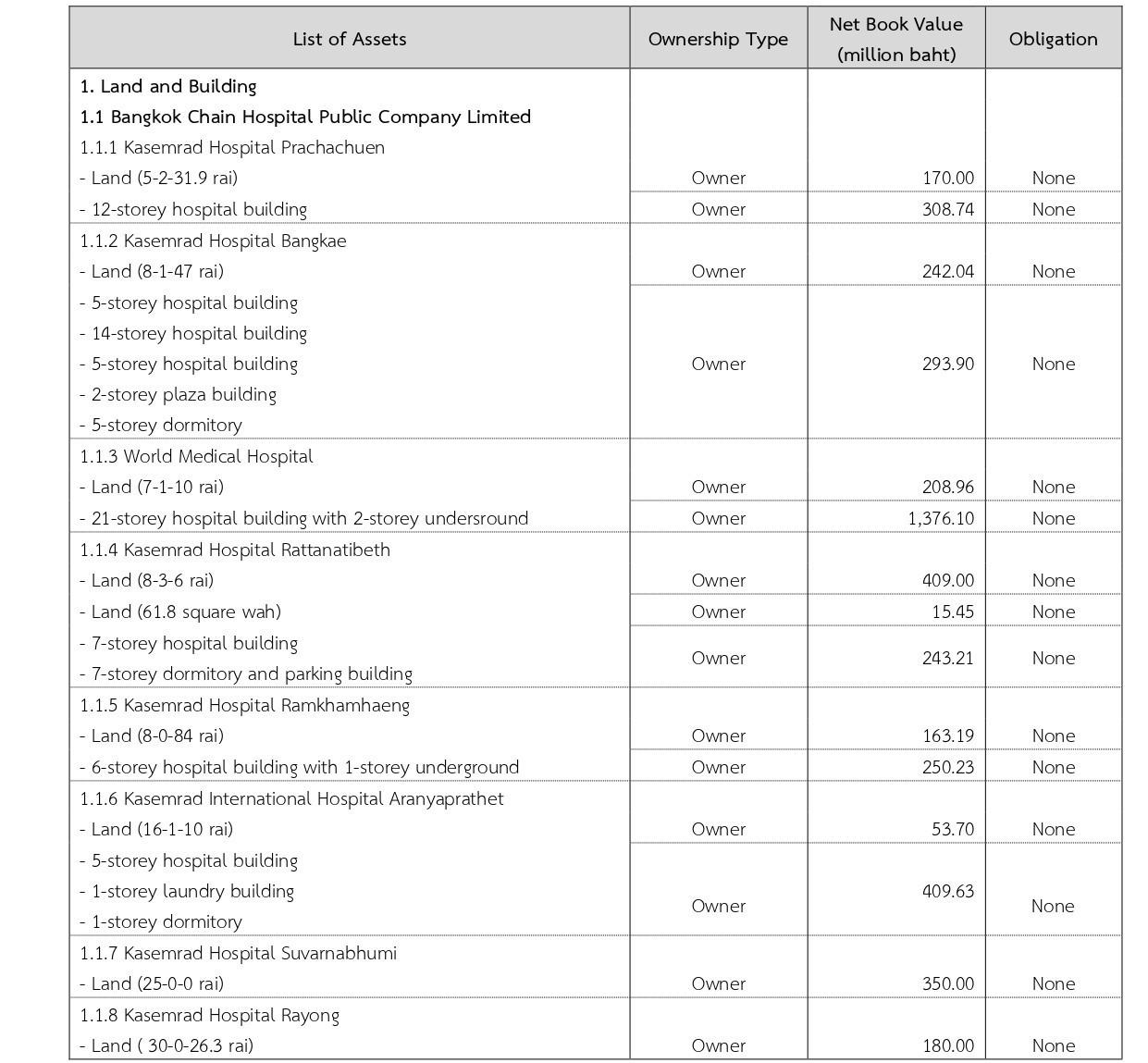
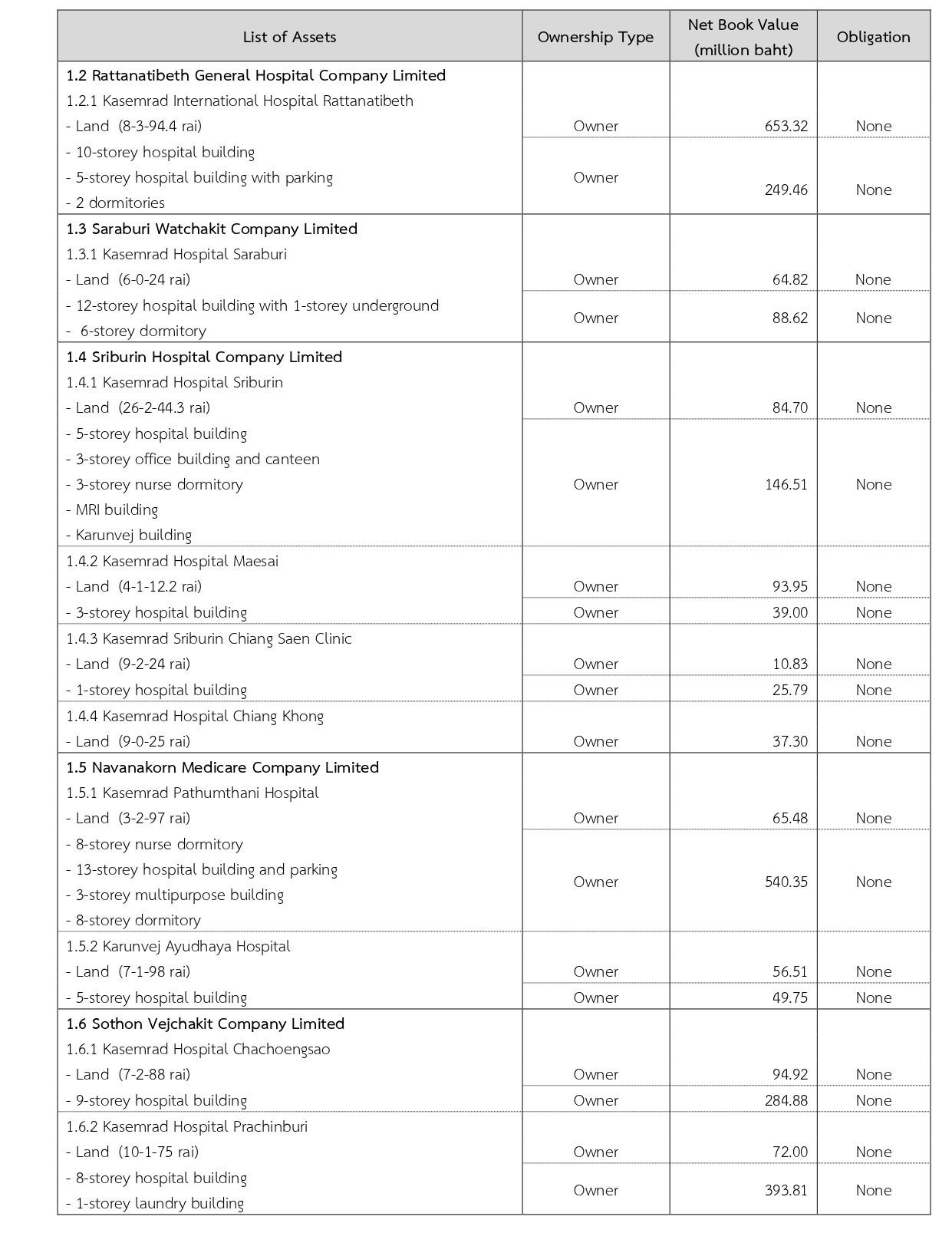
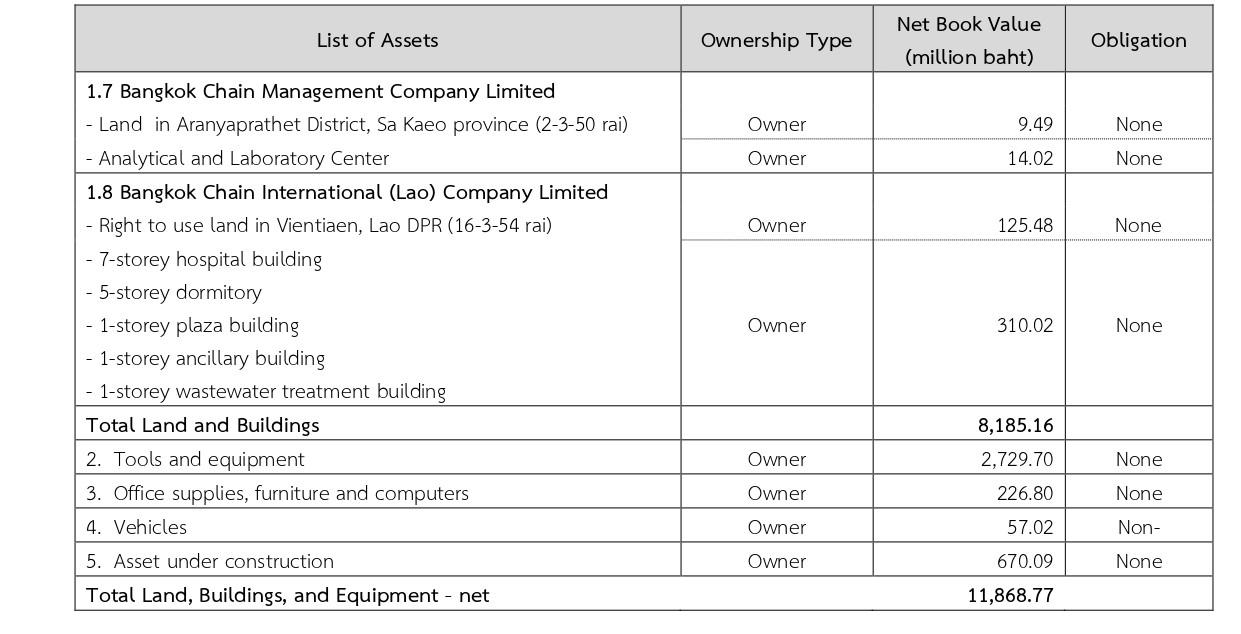
The assets used in the business operations, valued at their net book value as of December 31, 2025, are detailed as follows:
1. Land, Building, and Equipment
Details on the Company’s obligations in key assets for business operation, as of December 31, 2025, the details are as follows:
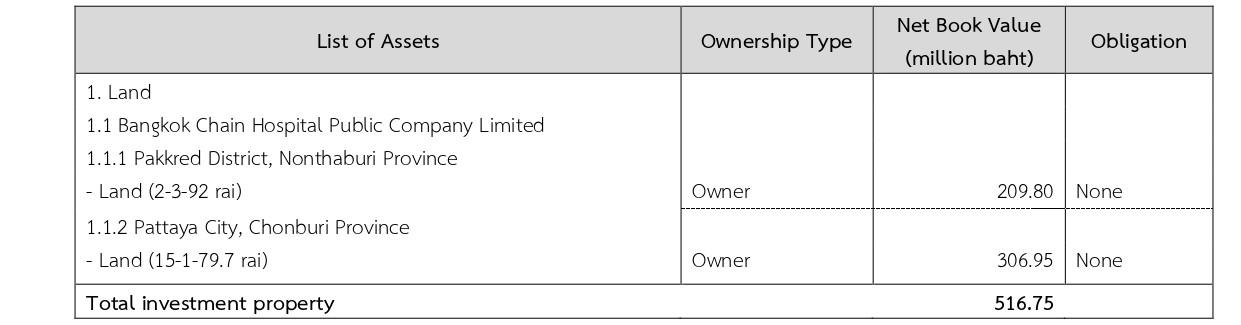
2. Investment Property
Details on the Company’s obligations in Investment property, as of December 31, 2025, are as the table below:
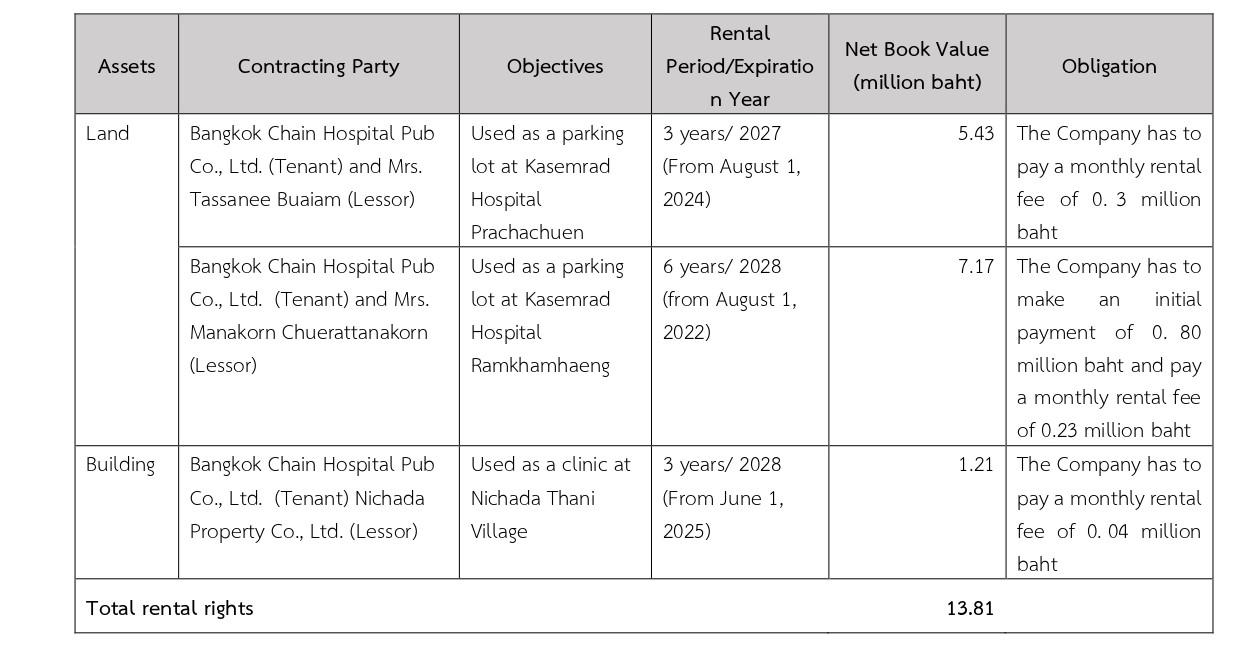
3. Right-of-Use Assets
Details on the Company’s obligations in Right-of-Use Assets, as of December 31, 2025, the details are as follows:
4. Goodwill
As of December 31, 2025, the Company and its subsidiaries recognized goodwill arising from external investment acquisitions aimed at restructuring business operations within the group. This goodwill, totaling 329.38 million baht, was acquired from entities including Rattanatibeth General Hospital Company Limited, Saraburi Watchakit Company Limited, Sriburin Hospital Company Limited, Navanakorn Medicare Company Limited, and Sothon Vejchakit Company Limited. The Company modified its accounting policy for goodwill from January 1, 2008 onwards, deciding against goodwill amortization and opting instead for regular impairment reviews at each fiscal period end.
1
Intangible Assets — Description
As of December 31, 2025, the Company and its subsidiaries had net intangible assets valued at 96.26 million baht, predominantly composed of computer programs utilized in hospital operations. These assets are amortized over an expected economic benefit period of three to ten years, following a straight-line method, and the associated expenses are recorded in the profit and loss statement.
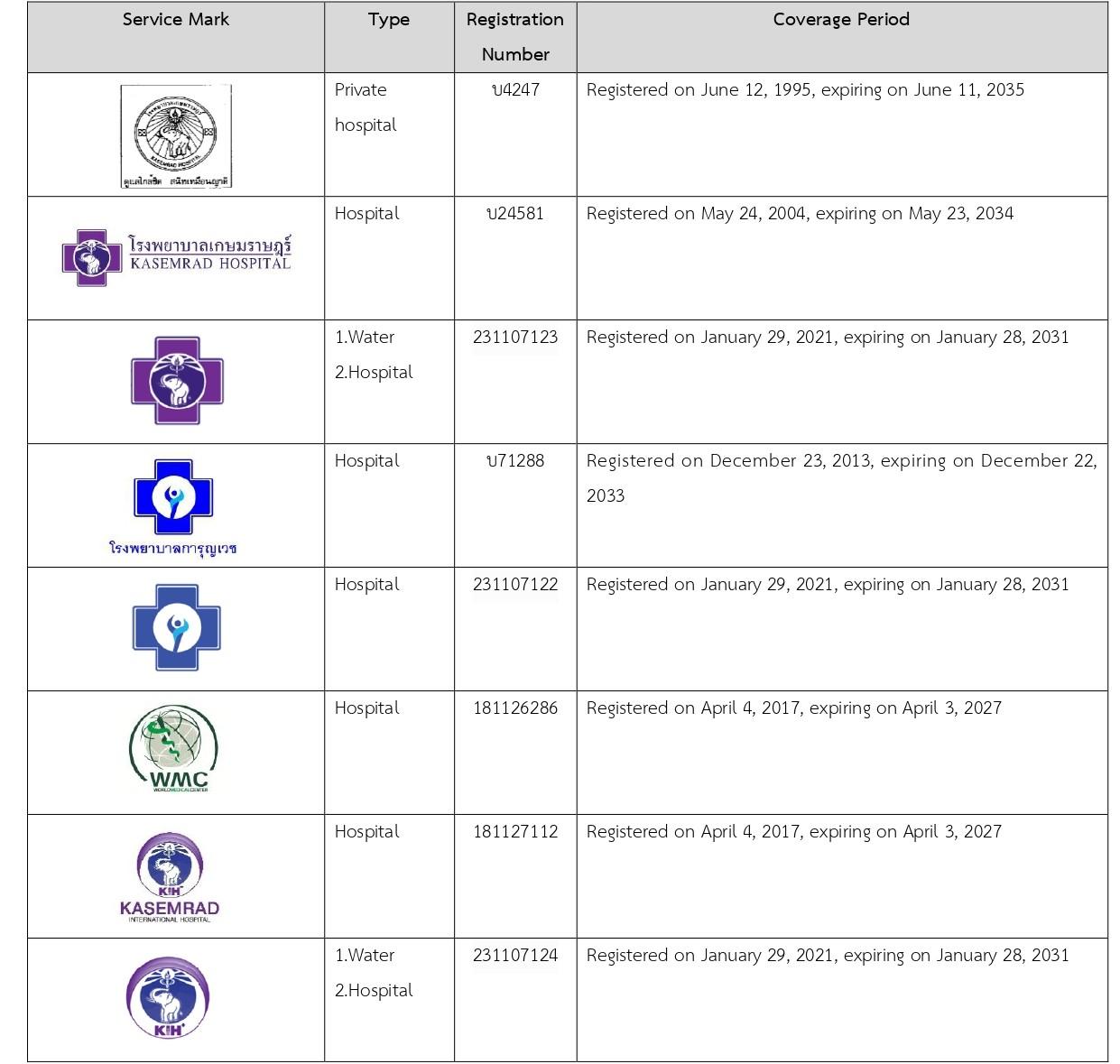
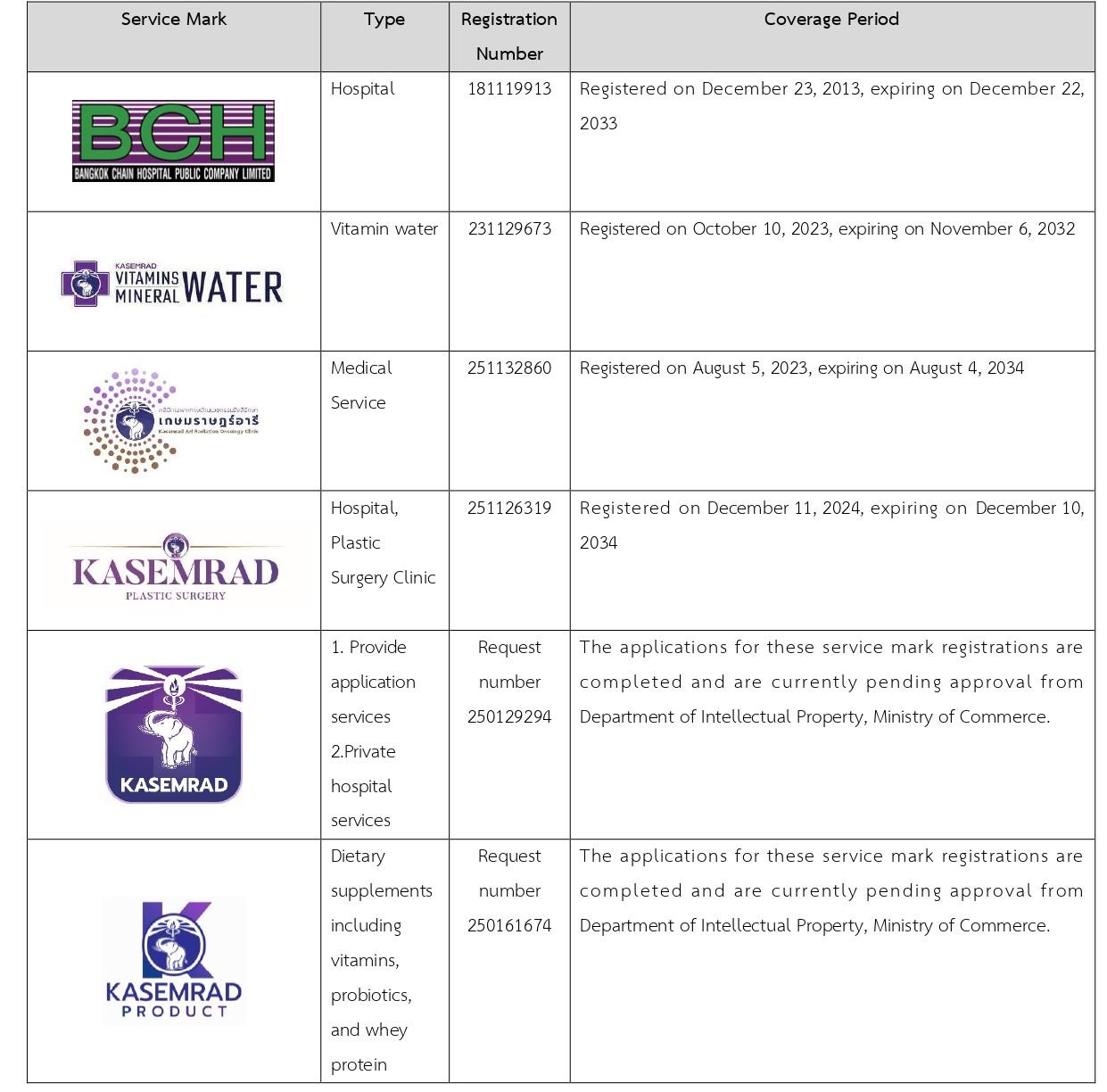
Additionally, the Company has registered several service marks with the Department of Intellectual Property, Ministry of Commerce, as detailed below:
1
Has Subsidiaries Investment Policy (Y/N)
Yes
Subsidiaries Investment Policy — Description
As of December 31, 2025, the Company had made significant investments in its subsidiaries. It holds a controlling interest or owns more than 50% of the shares in 10 companies. The total investment value, calculated using the cost method, is 3,219.99 million baht. This represents about 17.90% of the total assets of the Company. The subsidiaries and their respective shareholdings are as follows:
1. Rattanatibeth General Hospital Co., Ltd. operated Kasemrad International Hospital Rattanatibeth. Shareholding Ratio 72.73%
2. Saraburi Watchakit Co., Ltd. operated Kasemrad Hospital Saraburi and Kasemrad Medical and Dental Clinic Saraburi. Shareholding Ratio 59.92%
3. Sriburin Hospital Co., Ltd. operated Kasemrad Hospital Sriburin, Kasemrad Hospital Maesai and Kasemrad Sriburin Chiang Saen Clinic. Shareholding Ratio 93.67%
4. Navanakorn Medicare Co., Ltd. operated Kasemrad Pathumthani Hospital and Karunvej Ayudhaya Hospital. Shareholding Ratio 81.17%
5. Sothon Vejchakit Co., Ltd. operated Kasemrad Hospital Chachoengsao and Kasemrad Hospital Prachinburi. Shareholding Ratio 92.71%
6. Bangkok Chain Management Co., Ltd. operated Health drink trading, medical scientific research and analysis services through laboratories, and real estate leasing. Shareholding Ratio 100.00%
7. Bangkok Chain International (Lao) Co., Ltd. operated Kasemrad International Hospital Vientiane. Shareholding Ratio 75.24%
8. Kasemrad Ari Cancer Rangsi Raksa Center Co., Ltd. operated Kasemrad Ari Radiotherapy Cancer Clinic. Shareholding Ratio 51.00%
9. Health Chain Innotech Co., Ltd. operated Manufacture and sale of ready-to-use computer programs. Shareholding Ratio 90.00%
10.Bangkok Chain Dental Co., Ltd. Operate a mobile dental service. Shareholding Ratio 60.00%
The Company maintains a policy of investing in subsidiaries, ensuring a minimum investment of not less than 50 percent, while actively participating in their management. Investment decisions are influenced by the economic climate, business growth, and focus on businesses or products related to hospital and health services, similar to the Company's current operations. Any investment in a subsidiary requires the approval of the Company's Board of Directors. The Company implements a management policy within these subsidiaries by assigning its representatives as directors, proportional to its shareholding, to participate in decision-making, policy formulation, and ensuring business operations align with the Board’s policies.
1
Marketing Policy & Competition
Reporting Mode
3117
Marketing Policy (Overall)
Last Year's Marketing Policies for Key Products and Services
The Company continues to place strong emphasis on enhancing the quality and safety of its medical services, with a focus on aligning treatment standards with international best practices. In 2025, Kasemrad International Hospital Vientiane was officially accredited by Joint Commission International (JCI), becoming the first hospital in Lao PDR to achieve this international standard. This milestone reflects the capability of the Company’s hospital network in delivering high-quality and safe healthcare services, as well as its commitment to adopting advanced medical technologies to expand its patient base and strengthen service capabilities. During the year, Kasemrad Hospital Bangkae installed a new CT Scan system to improve diagnostic efficiency, reduce waiting time, and enhance service quality. In addition, Kasemrad International Hospital Rattanatibeth installed a 3-Tesla MRI scanner, which provides high-resolution imaging to support faster and more accurate diagnosis. The deployment of advanced medical technologies also reinforces the Company’s role as a referral hub within its hospital network. Furthermore, the Company has continued to expand service coverage. Kasemrad Ari Radiation Oncology Clinic provides comprehensive cancer treatment services across all three major healthcare schemes, including the Universal Coverage Scheme (Cancer Anywhere Program), the Social Security Scheme (SSO Cancer Care Program), and the Civil Servant Medical Benefit Scheme under the Comptroller General’s Department. This expansion enhances equitable access to cancer treatment for patients.
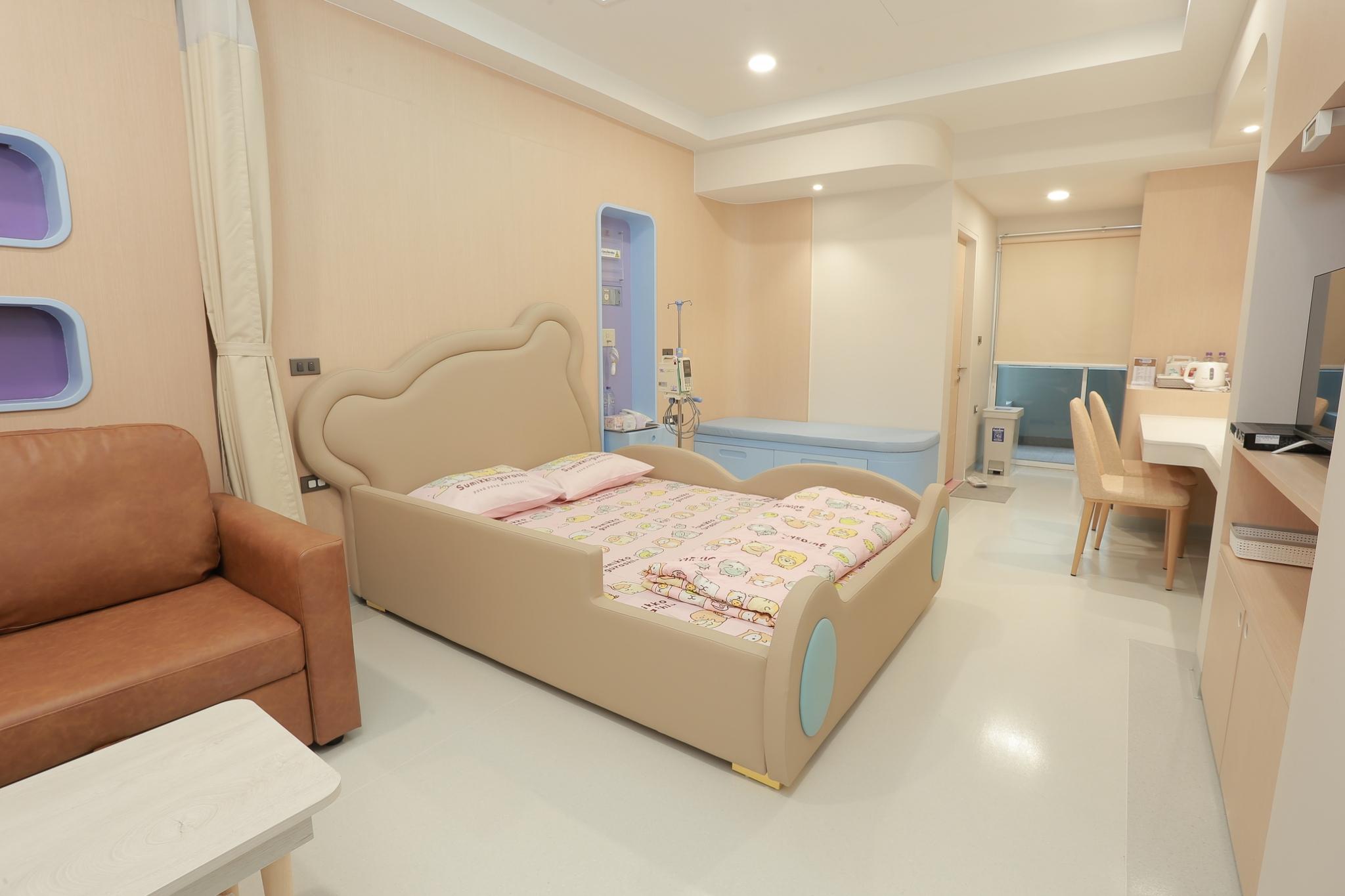
Meanwhile, hospitals within the network have continuously upgraded both interior and exterior environments to enhance patient experience. At the same time, the Company is advancing its network expansion into the Eastern region through the development of Kasemrad Hospital Rayong and Kasemrad Hospital Suvarnabhumi, with the aim of establishing internationally standardized hospitals to support increasing healthcare demand in the Eastern Economic Corridor (EEC) and nearby areas. This expansion improves access to quality healthcare services while supporting sustainable economic and community development in the region.
The Company and its hospital network continuously review and refine their operational plans to ensure efficient, timely, and compliant healthcare delivery in line with relevant regulatory guidelines, covering both general and complex medical conditions. In 2025, the laboratory of Kasemrad Hospital Pathumthani received international accreditation under ISO 15189 and ISO 15190, certifying its quality and competency at a global level. In addition, the laboratory of Kasemrad International Hospital Aranyaprathet was accredited under the Medical Technology Laboratory Quality Management Standards B.E. 2565 (2022) by the Medical Technology Council. Furthermore, Kasemrad Hospital Sriburin received a national recognition plaque for promoting employment opportunities for persons with disabilities in 2025. These recognitions and achievements reflect the Company’s commitment to enhancing professional standards alongside responsible business practices, thereby strengthening long-term confidence among patients and stakeholders.

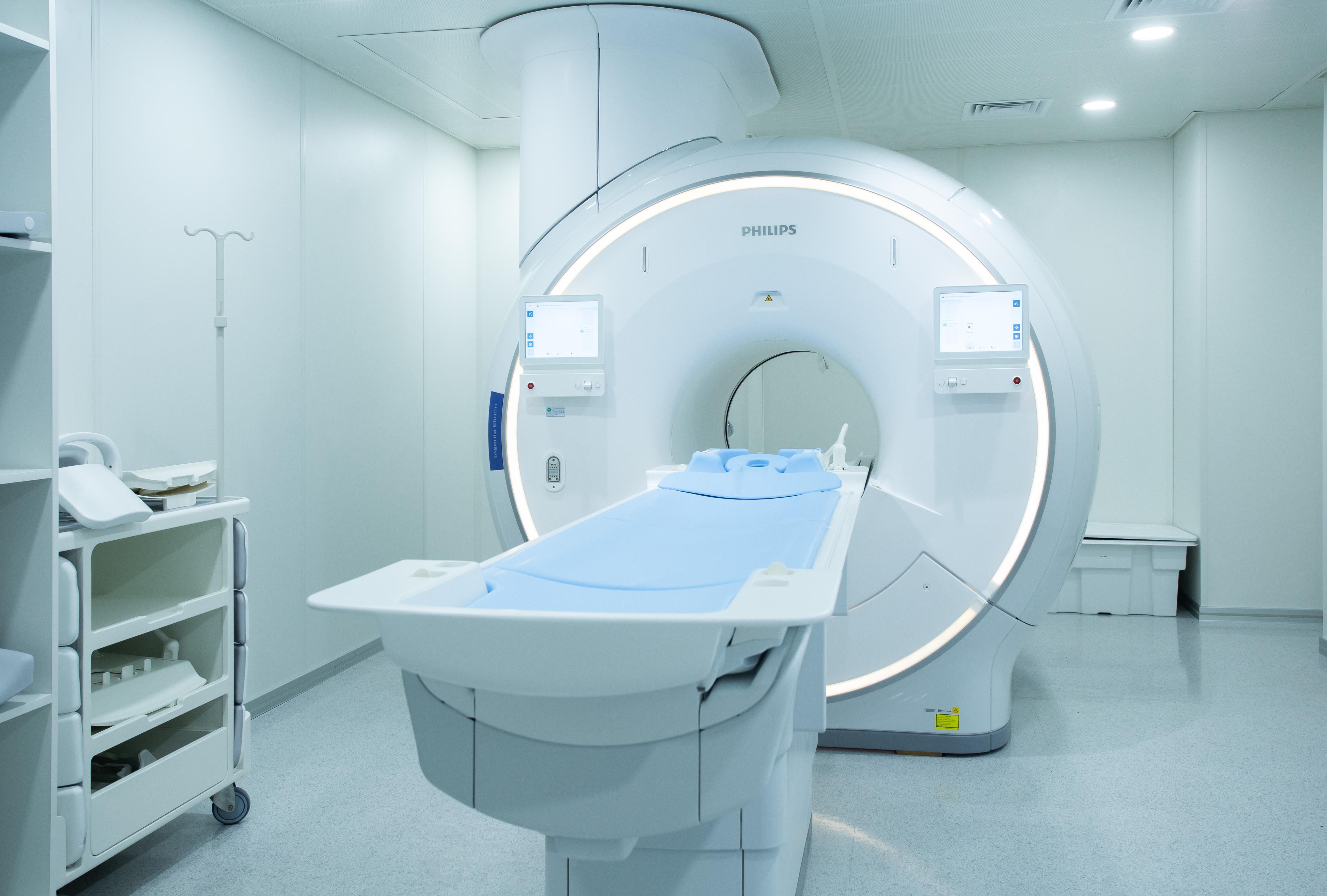
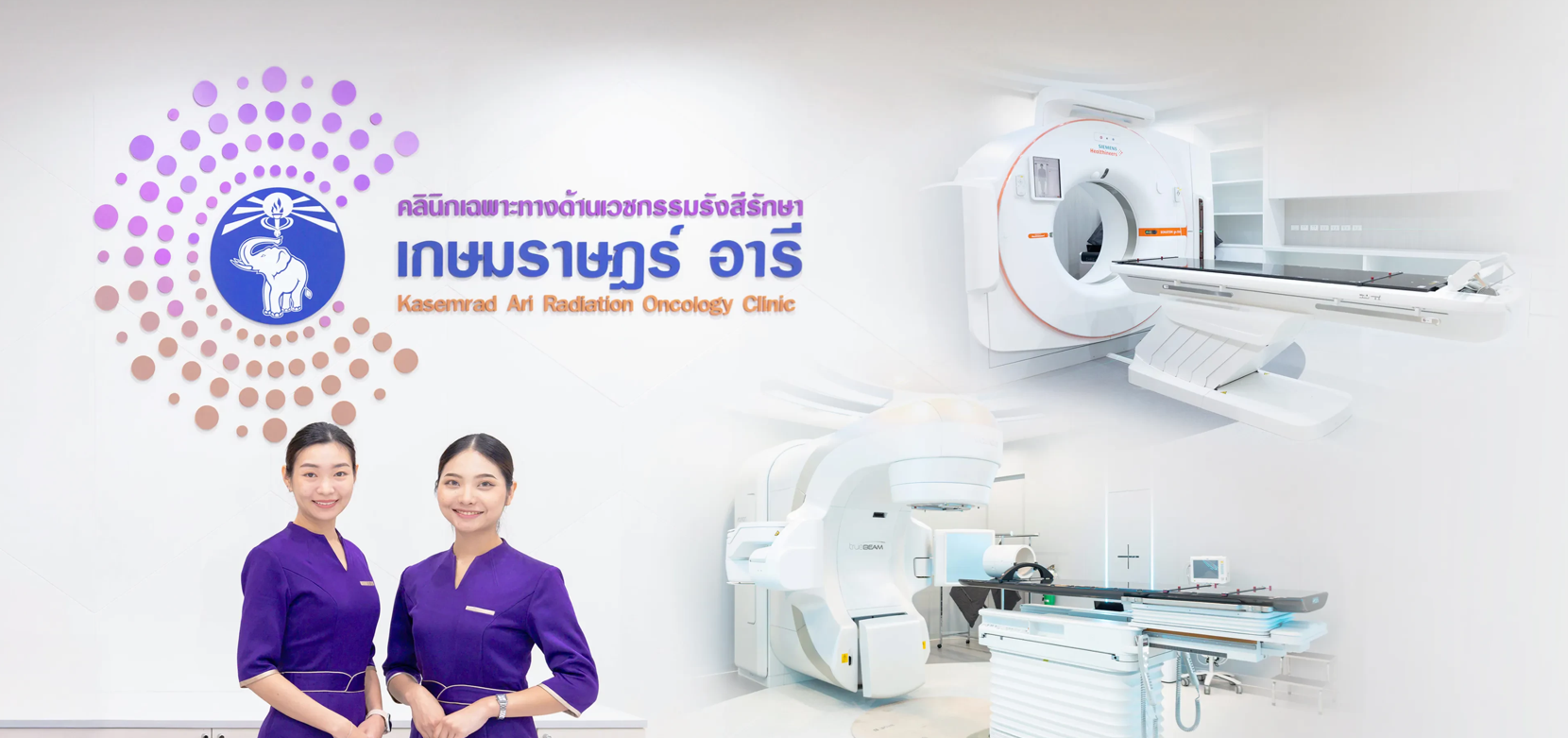
Based on the aforementioned operational approach, the Company and its hospital network continue to formulate competitive strategies to strengthen sustainable growth, as follows:
- Competitive Strategies
1. Operating as a Hospital Group and Building Partnerships for Enhanced Service Efficiency
The Company operates in the form of a hospital group with a total of 15 hospitals 2 polyclinics and 1 Kasemrad ARI Radiation Oncology Clinic, catering to a diverse customer base. Furthermore, the Company has established specialized medical centers providing diagnostic services not only to its network hospitals but also to patients from over 40 partner hospitals nationwide. These centers provide tertiary medical services for referred patients like Heart Center and Cardiac Catheterization Center, Lasik and Eye Center, Imaging Center, Cancer Center, Diabetic Wound Care Center, and Kasemrad ARI Radiation Oncology Clinic
The Company charges reasonable fees for services provided to patients referred from partner hospitals, ensuring prompt treatment and surgeries. This not only increases the Company's revenue but also ensures efficient utilization of various medical tools and equipment.
2. Revenue from Diverse Customer Base and Consistent Revenue from the Social Security Fund Program
The Company's strategy of offering medical services to a wide array of customer groups, including general clients and those under government programs, results in a robust and stable revenue structure. A significant portion of the revenue comes from services provided to the Social Security Fund Program. The Social Security Office covers patient costs as per legal and governmental polices. This approach allows the Company to effectively utilize its medical resources, including medical and nursing staff, medical equipment, and patient beds.
3. Administration and Management
The Company adopts a group-based hospital management policy, utilizing a unified approach from the corporate level to ensure consistent management across all hospital branches. Beyond this group-wide policy, the Company has also embraced a knowledge-sharing strategy in management. This approach allows each hospital within the network to benefit from the effective management practices of others, leading to optimal outcomes. Additionally, the Company's top executives play a significant role in national healthcare administration, including holding the position of President of the Private Hospital Association. This involvement provides them with extensive experience in hospital administration.
The Company employs a flexible organizational management style. This adaptability enables the Company to efficiently respond to shifts in economic and social conditions. Examples of this approach include joining as a healthcare provider under the Social Security Act in 1992, establishing specialized medical centers to reduce patient referral costs to other hospitals, and expanding revenue streams by serving as a high-level medical facility (Supra Contractor). These initiatives, together with the continual improvement of service efficiency across its hospital network through flexible management has contributed to the Company's sustained growth and responsiveness to changing circumstances.
4. Medical Specialists and Support Team
As of December 31, 2025, the Company's network of 15 hospitals is well-equipped with specialized medical professionals across various fields, including 2,184 doctors. The hospitals are staffed with 3,023 nurses and assistant nurses trained in relevant specialties, and 3,957 operational and medical support staff.
5. Doctor and Personnel Training
The Company consistently organizes training sessions for doctors and nurses, both internally within its hospital network and through external educational institutions.
6. Advanced Medical Equipment and Tools
The Company is committed to equipping its facilities with high-tech and efficient medical tools and equipment, enhancing the accuracy and precision in disease treatment and diagnosis.
7. Service Quality Standards
Recognizing the importance of service quality, the Company continually strives for improvement. It adheres to the Hospital Accreditation standard, which is the highest standard of service, and meets the international standards set by the Joint Commission International (JCI).
Additionally, Key Performance Indicators (KPIs) are utilized to assess service quality, focusing primarily on patient needs and satisfaction. The Company also advocates the use of information technology systems to streamline patient services, enabling faster and more efficient care, and to provide beneficial communication and information post-service.
1
- Characteristics of the Company's Customers
1. General Customer Group
1.1 General Patients: This group comprises individuals who independently seek hospital services, including both Thai and foreign nationals. These patients are entirely responsible for their medical expenses. Typically, they are health-conscious and seek quality healthcare and good quality of life. The hospital caters to this demand by offering alternative medical center services.
1.2 Corporate Contract Group: Embassy Group refers to employees or officials from various organizations whose parent agencies have contracts with the hospital. These agreements provide medical benefits to employees and their families, with services accessible under specific terms. Additionally, this group covers insurance company clients, where the insurer has an agreement with the hospital to cover medical expenses, including treatments under the Third Party Insurance Act. The hospital generally bills the contracting companies directly as per the agreement terms.
1.3 Compensation Fund Group: This service caters to employees from various companies or factories under the compensation fund's conditions, primarily addressing work-related injuries. The hospital manages claims and reimbursements from the compensation fund for these cases.
1.4 Civil Servant Medical Welfare Project Group: This is a government-provided welfare scheme for civil servants and their families, covering both out-patient and in-patient services in all government hospitals. Recently, this welfare has extended to include private hospitals, offering more accessible and convenient service options and reducing congestion in government hospitals. The Comptroller General's Department pays the hospital for medical expenses on behalf of the civil servants. Network hospitals participate in this scheme in response to the welfare expansion, aiding the Company in constantly expanding its customer base within the civil servant segment, aided by the hospitals' strategic locations.
2. Social Security Scheme
The Social Security Fund Program Group comprises employees from various establishments who contribute monthly to the Social Security Fund. These customers are entitled to medical services when ill, at their chosen hospitals, under certain conditions and at no cost as stipulated by the Social Security Act B.E. 2535 (1992). The Social Security Office, under the Ministry of Labour, bears the medical costs on behalf of the insured persons in a lump-sum arrangement for general out-patient cases, and payments for in-patients are based on the severity of the illness. All 9 Kasemrad Group hospitals and 1 Karunvej Hospitals participate in this scheme.
Moreover, the Company has designated Kasemrad Hospital Prachachuen, Kasemrad Hospital Bangkae, Kasemrad Hospital Ramkhamhaeng, Kasemrad Hospital Sriburin, World Medical Hospital, and Kasemrad International Hospital Rattanatibeth and Kasemrad Hospital Chachoengsao as referral centers for comprehensive heart disease treatment. Treatment and corrective eye surgery using laser technology are provided at Kasemrad Hospital Prachachuen and World Medical Hospital. Furthermore, World Medical Hospital, Kasemrad International Hospital Rattanatibeth, Kasemrad International Hospital Aranyaprathet, Kasemrad Hospital Sriburin, Kasemrad Hospital Ramkhamhaeng and Kasemrad Hospital Chachoengsao also have MRI Center for receiving patient referrals from partner hospitals under the Social Security Fund Program.
The hospital's customer base is diverse, with each group having unique characteristics. The hospital group, therefore, provides various tailored services to meet the specific needs of each consumer segment, aiming to enhance its service expansion potential and operational efficiency.
- Service Provision
In addition to offering comprehensive medical services across all specialties, the Company also proposes a diverse and continuous range of services beyond general medical care. These holistic services include health check-ups and disease prevention, rehabilitative and physical therapy services, and specialized patient consultations. Additionally, organizing special events for targeted groups on various occasions helps the Company to grow its customer base and contributes to a portion of the hospital’s revenue. Moreover, the Company has a marketing strategy to offer targeted medical services tailored to individual patient needs, enhancing service quality and patient satisfaction for those who regularly utilize hospitals in the network.
- Medical Treatment Pricing Policy
For general customers, contractual clients, and those under the compensation fund, the Company sets prices primarily based on costs to ensure fairness to consumers and offers group-specific discounts. The medical fees charged to patients are allocated to the treating physicians as per the agreed rates. The Company also establishes payment terms with members and contractual partners. Importantly, the Company avoids price competition with its rivals. Additionally, it employs a pricing policy aligned with the income levels of its target demographic, ensuring competitiveness with other private hospitals in the same vicinity. Customers consider medical expenses in relation to the quality of services received and the proficiency of the hospital’s medical professionals.
For specific treatments like surgeries, childbirth, and annual health check-ups, the Company has instituted all-inclusive package pricing. This approach simplifies expense management for customers and aids in their decision-making, providing a clear understanding of the expected medical costs.
For customers under Social Security Fund Program, the Social Security Office under the Ministry of Labour is responsible for disbursing payments for medical services and treatments for the insured persons to the hospital. This includes several reimbursement mechanisms:
Flat-rate Medical Service Fees: These are paid based on the number of insured persons registered to utilize services at network hospitals.
Outlier Reimbursement Schedule (ORS): This applies to in-patient medical services for diseases with exceptionally high treatment costs, such as heart surgery, cancer, diabetes, and expensive medical supplies.
Risk-adjusted Medical Service Rates: This involves reimbursements for out-patient treatments for 26 chronic diseases.
Adjusted Relative Weight Rates: This is for in-patient treatments where the relative weight value, adjusted based on the length of stay, is greater than or equal to 2.
Collaborative Medical Services with the Social Security Office: This is targeted at 2 groups of diseases: cardiovascular disease and stroke. (reduced from 5 diseases to 2, effective from 1 April 2025).
Dental services and the health check-up program at the hospital and through mobile health check-ups.
The funds for items 2 to 4 depend on the service burden incurred, as budgeted and conditioned by the Social Security Office. Additionally, item 5 represents a pilot project initiated by the Social Security Office starting January 1, 2023, with a review for renewal every 6 months. Furthermore, item 6 the fund reimbursement for dental services depends on the actual service but not more than 900 baht per insured person per year.
- Sales and Distribution Channels
The Company operates a network of 15 patient-serving hospitals, strategically located across diverse areas. There are seven hospitals in Bangkok and its suburbs, seven in other provinces, one in Lao PDR, one polyclinic in Chiang Saen, Chiang Rai Province, and one in Nong Khae District, Saraburi Province, one Kasemrad ARI Radiation Oncology clinic in Pak Kret District, Nonthaburi Province.
Key distribution channels include functioning as a higher-level medical facility (Supra Contractor) to facilitate patient referrals from local clinics, general private hospitals, and government hospital partners referring patients under the Social Security program.
World Medical Hospital, Kasemrad International Hospital Rattanatibeth, Kasemrad International Hospital Aranyaprathet, Kasemrad International Hospital Vientiane, Kasemrad Hospital Bangkae, Kasemrad Hospital Prachachuen, Kasemrad Hospital Sriburin, Kasemrad Hospital Chachoengsao and Kasemrad Hospital Ramkhamhaeng serve as referral centers for heart surgeries. Specifically, Kasemrad Hospital Prachachuen, Kasemrad Hospital Sriburin and Kasemrad Hospital Bangkae are registered with the Social Security Office as referral bases for heart diagnosis and surgery for patients under the Social Security Scheme.
Kasemrad Prachachuen Hospital and World Medical Hospital serve as referral centers and specialize in vision correction surgeries using laser technology.
World Medical Hospital, Kasemrad International Hospital Rattanatibeth, Kasemrad International Hospital Aranyaprathet, Kasemrad International Hospital Vientiane, Kasemrad Hospital Sriburin, Kasemrad Hospital Chachoengsao, Kasemrad Hospital Bangkae and Kasemrad Hospital Ramkhamhaeng serve as centers for advanced diagnostic imaging (MRI or CT scan) for both network hospitals and partner hospitals.
Moreover, the location of each branch of the Company's hospitals is strategically situated in community areas, along major roads, ensuring easy access and travel. The buildings stand out architecturally, emphasizing a setting that provides an inviting atmosphere. The interiors are meticulously designed to be both clean and aesthetically pleasing, with a well-planned layout of the usable space to enhance comfort and leave a lasting impression on patients receiving treatment. These locations are in areas identified as underserved in terms of medical facilities relative to the local population, making them accessible distribution channels for consumers. Additionally, the hospital offers a mobile health check-up service, providing a convenient health screening option for employees at their workplaces.
- Promotional Strategies
Even though the private hospital industry faces restrictions in advertising and promotional activities, regulated by professional bodies like the Medical Council of Thailand and subject to legislation in regard to advertising such as the Health Facility Act B.E. 2541 (1998) and the Consumer Protection Act, and the announcement of the Department of Health Service Support on criteria, methods, conditions, and expenses for advertising or publicizing healthcare facilities, B.E. 2562 (2019), competition has intensified. Hospitals increasingly vie for market shares both domestically and internationally. Therefore, the hospital group has endeavored to organize activities that are both attractive to customers and compliant with the various regulations.
1
Industry & Competition (Overall)
Market Dynamics and Competitive Landscape
- Industry Trends and Future Competitive Outlook
The private hospital business in Thailand continues to demonstrate a positive growth outlook, supported by several key factors, including the transition into an aging society, increasing demand for high-quality healthcare services, the expansion of health insurance coverage, and the recovery of international patients, particularly in the medical tourism segment. At the same time, competition within the industry is evolving toward a more group-based landscape, as many hospitals form strategic alliances to enhance cost efficiency and optimize resource management. Furthermore, the development of specialized medical centers, along with investments in advanced medical technologies and digital solutions, will play an increasingly important role in improving treatment quality and service efficiency.
In response to these trends, the Company aims to maintain its competitive advantage through the effective management of its hospital network, serving all patient segments—from general patients and Social Security Scheme members to international patients. This is complemented by the continuous development of specialized medical centers, such as comprehensive cardiac centers, Kasemrad Ari Radiation Oncology Clinic, and the NextStep Robotics Rehab Center. The Company also continues to enhance healthcare facility standards through service area renovations and the adoption of advanced medical technologies, including the E-Refer system, a centralized platform for patient data exchange that replaces paper-based processes, ensuring greater data security, speed, and accuracy, while enabling physicians to access patient information in advance for better service preparation. In addition, the Kasemrad Application has been introduced to improve convenience for patients across the hospital network. The Company also focuses on strengthening collaborations with both domestic and international partners to enhance service capabilities and support long-term industry growth.
- Competitive Landscape and Capabilities
Each branch of our hospital network faces competition from medical facilities within a 20-kilometer radius, as well as from reputable hospitals beyond this area that have earned special trust from patients. However, our hospital group holds several competitive advantages:
Our hospitals are staffed with highly skilled and specialized medical professionals who are well-recognized and respected in their fields.
We provide a range of services that extend beyond standard medical care, including comprehensive additional services.
Our hospitals are equipped with a wide array of medical tools and equipment. We have a substantial number of examination rooms and beds, designed to comfortably accommodate both out-patients and in-patients. Our facilities are also notable for their clean, aesthetically pleasing interiors. The well-planned layout is aimed for the convenience.
Situated in community hubs and easily accessible areas, our hospitals are well-positioned to attract patients. This accessibility also makes our hospitals attractive workplaces for talented medical professionals.
We strategically set our medical treatment prices to align with the income levels of our target customer groups, ensuring affordability while remaining competitive in the market.
- Challenges in Operating a Private Hospital Business
There is a deficiency in the number of medical professionals who are both skilled and renowned in their fields. This creates a competitive environment where private hospitals vie for such personnel through attractive compensation packages. This scarcity of expert medical staff is a significant constraint in the industry.
Private hospitals require substantial investment, particularly in medical equipment and tools, and also need considerable working capital for medicines, medical supplies, and consumables. Effective financial planning is therefore crucial for the business operations.
When dealing with serious illnesses, patients tend to prioritize the capa bility and reputation of medical professionals over other factors. Consequently, new private hospitals must invest time in developing their quality of service and building a trustworthy reputation to attract and retain patients.
Fluctuating health care regulations significantly impact smaller or newly established private hospitals.
Private hospitals must adhere strictly to the Ministry of Health's notifications on advertising, as outlined in the Health Facility Act B.E. 2541 (1998) and the announcement of the Department of Health Service Support on criteria, methods, conditions, and expenses for advertising or publicizing healthcare facilities, B.E. 2562 (2019), in the advertisement of health-related products and services.
Amendments in the regulations set by the Medical Council of Thailand can have a significant impact on both current and future business operations.
1
Procurement of Products & Services
Reporting Mode
3117
Procurement (Overall)
Operating as a hospital group provides the Company with significant advantages in terms of economies of scale in purchasing, as well as efficient inventory management. This is facilitated by a centralized purchasing department responsible for procuring drugs, medical supplies, and equipment for all hospitals in the group. Such a consolidated approach to procurement increases the volume of purchases compared to individual hospital purchases, thereby enhancing the Company's bargaining power in terms of pricing and trade conditions with suppliers. Consequently, the Company benefits from increased discounts compared to the purchasing contracts of individual hospitals. Additionally, the Company adopts a policy of inter-hospital borrowing of medical equipment, medications, medical supplies, blood, and blood components. This strategy ensures optimal resource utilization and minimizes the issue of stock expiration. Moreover, to modernize and streamline its operations, the Company has established a subsidiary, Health Chain Innotech Company Limited. This subsidiary focuses on developing software systems for the group's hospitals, aiming to upgrade system capabilities, facilitate data integration with other operational systems, and reduce reliance on external companies, Including the operation of medical laboratory businesses under Bangkok Chain Management to reduce the cost of referrals to hospitals or external Laboratory outside the hospital network.
1
Projects Under Construction
Has Projects Under Construction (Y/N)
No
Debentures & Bills of Exchange
Has Debentures (Y/N)
No
Convertible Securities
Has Convertible Securities (Y/N)
No